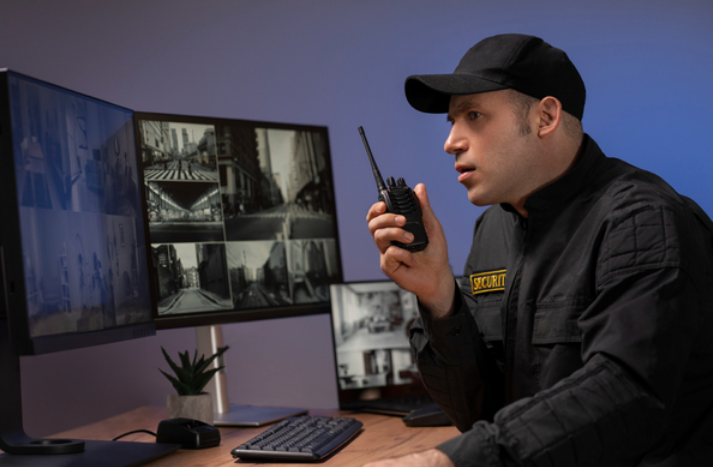
News and documentary crews don’t just “cover” events anymore—they often step directly into unpredictable environments. Protests can shift fast. Crowds can surge. Emotions can spike. And a crew’s visible gear (cameras, lights, drones, branded vehicles) can make them a target for harassment, theft, or intimidation.
That’s why more production teams are hiring Media security specialists—not to create a tough look, but to keep crews focused, calm, and moving safely while the story unfolds.
This guide explains what real media security looks like in the field, what risks crews face today, and how to plan coverage without sacrificing safety.
Why High-Risk Coverage Is Different From Normal Production
High-risk coverage isn’t just “busy.” It’s unstable. The environment changes every few minutes, and crews have to adapt in real time.
Common risk scenarios include:
- Protests or politically charged demonstrations
- Breaking news in volatile neighborhoods
- Court appearances and high-profile trials
- Celebrity incidents or controversial public events
- Disasters and emergency response scenes
- Night shoots in unsecured locations
In these situations, the job is not only to capture content—it’s to avoid becoming part of the story.
This is where Media security specialists matter most: they manage movement, reduce exposure, and protect the crew while the team focuses on coverage.
The 5 Biggest Safety Threats Crews Face in the Field
1) Crowd Swarms and Sudden Mood Shifts
A crowd can go from calm to aggressive in seconds—especially when emotions run high or rumors spread.
Security helps by:
- Tracking crowd energy and movement patterns
- Identifying “pressure points” and exit routes
- Preventing crew members from getting boxed in
2) Targeting of Cameras and Equipment
Expensive gear makes crews a high-value target for theft. In tense environments, gear can also be attacked to stop coverage.
Media security specialists reduce this risk by:
- Creating a buffer zone while filming
- Positioning team members to protect gear
- Coordinating pack-up and movement timing
3) Harassment, Doxxing, and Online Exposure
Crews often get filmed, named, and posted online—sometimes with location tags. That can lead to real-world escalation, especially on multi-day assignments.
Good security includes:
- Reducing identifiable exposure where possible
- Advising on movement and hotel/vehicle privacy
- Limiting routine patterns during extended coverage
4) Poor Coordination With Law Enforcement or Event Staff
Sometimes crews assume they’re “good” because they have a pass or credential. In reality, credentials don’t stop a crowd or guarantee safe access.
Security teams help by:
- Coordinating with authorities when appropriate
- Clarifying safe zones and restricted areas
- Keeping the crew from drifting into dangerous positions
5) Panic During Emergency Exits
When things turn chaotic, many crews lose time because no one has a simple exit plan. People freeze. Gear gets left behind. Vehicles aren’t ready.
This is one of the main reasons crews hire Media security specialists: so exiting is fast, controlled, and safe—even when things turn ugly.
See also: Leveraging Technology for Global Business Success 3317720661
What Media Security Specialists Actually Do (Beyond “Standing There”)
Here’s what professional security looks like in media operations:
Advance Planning (Before the Crew Arrives)
- Site assessment of the location and surrounding area
- Identifying safe entry/exit routes
- Establishing rally points and fallback locations
- Planning vehicle staging and fast departures
On-Scene Protection (During Filming)
- Crowd-awareness and threat spotting
- Positioning to protect cameras and operators
- Keeping a safe buffer without blocking production
- De-escalation and verbal boundary control
Movement Control (Where Risk Usually Spikes)
Most incidents occur during transitions—walking to/from vehicles, setting up gear, or moving between angles.
Media security specialists coordinate:
- Safe timing for moves
- Protective formations when needed
- “Eyes up” scanning while crew members are focused on equipment
Emergency Response
If things escalate:
- Rapid exit direction
- Gear prioritization (what to grab vs. leave)
- Medical response coordination if required
- Communication with drivers and producers
Practical Safety Rules for High-Risk Coverage
Even with security support, crews should follow simple rules:
- Avoid predictable patterns. Don’t park in the same place every day if risk is high.
- Keep comms simple. Use clear “move now” phrases and backup contact methods.
- Designate one decision-maker. Too many voices wastes time in high-stress moments.
- Pack with speed in mind. If you can’t move fast, you’re vulnerable.
- Don’t chase the action blindly. If the crowd surges, let it go. Content is never worth injury.
These habits pair perfectly with what Media security specialists provide: structure, situational awareness, and controlled movement.
Choosing the Right Security for Your Crew
Not all “security” is media-ready. Event guards and nightclub bouncers are not the same as specialists trained for production environments.
When hiring, look for teams who understand:
- How productions work under pressure
- How to protect without interfering with filming
- De-escalation and professional demeanor
- Discreet coordination with producers and talent
- Risk assessment and movement planning
A provider like American Strategic Consulting, PLLC focuses on professional, mission-driven protection—keeping crews safe while allowing them to work efficiently in unpredictable environments.
Final Thoughts
High-risk coverage isn’t going away. If anything, today’s media environment makes it more common—more public, more emotional, and more volatile.
The best protection isn’t loud. It’s strategic. It’s calm. And it keeps the crew focused on the job.
When done correctly, Media security specialists help crews capture the story without becoming the story—by controlling movement, reducing exposure, protecting equipment, and planning exits before the first camera roll.
For media teams that need reliable security support in complex environments, American Strategic Consulting, PLLC provides field-ready solutions built for real-world coverage conditions.