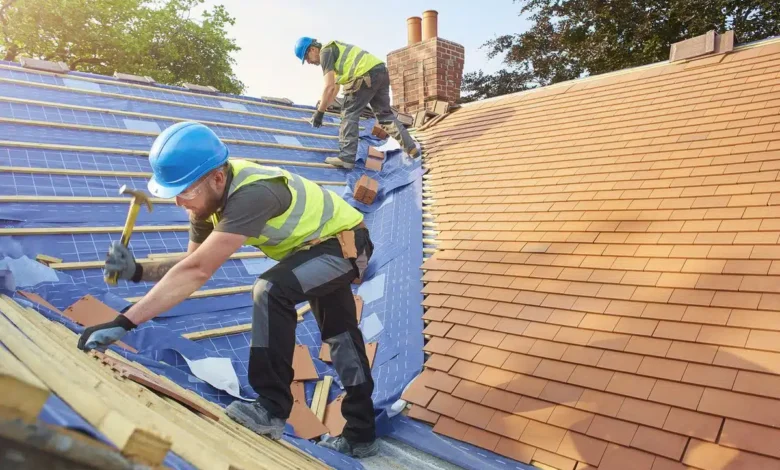
A roof does far more than complete the look of a home. It acts as the first line of defense against wind, rain, humidity, debris, and changing temperatures throughout the year. Yet many homeowners only think about their roof when there is already a visible problem, such as a leak or missing shingles. By the time damage becomes obvious indoors, the issue has often been developing for months.
Routine roof maintenance and timely inspections can help homeowners avoid expensive repairs, improve energy efficiency, and extend the overall lifespan of the roofing system. Whether you own a newer property or an older home, understanding how roofing care works can help you make better decisions and protect your investment for the long term.
Why Roof Problems Often Go Unnoticed
Unlike plumbing or electrical systems that homeowners interact with regularly, roofs are easy to ignore because they are out of sight. Small issues can slowly worsen over time without obvious warning signs.
Common roofing problems that may begin quietly include:
- Cracked or curling shingles
- Small flashing gaps around vents or chimneys
- Clogged gutters causing water backup
- Moisture trapped beneath roofing materials
- Loose fasteners after storms or heavy winds
- Gradual deterioration caused by sun exposure
Many of these issues can remain hidden until water infiltration begins affecting ceilings, insulation, or wall structures. At that stage, repair costs often become significantly higher.
This is why preventative maintenance matters. Regular inspections can identify vulnerable areas before they evolve into larger structural concerns.
Seasonal Weather Takes a Bigger Toll Than Most Homeowners Realize
Every season places different stress on a roofing system. Over time, repeated exposure to weather conditions weakens materials and accelerates wear.
Spring and Summer Challenges
Warmer seasons often bring heavy rain, intense sunlight, and humidity. UV exposure can gradually break down shingles and roofing membranes, while trapped moisture encourages mold and mildew growth.
Storms during these months may also loosen shingles or damage flashing around roof penetrations.
Fall Debris Accumulation
Leaves, branches, and dirt can accumulate in gutters and roof valleys during the fall season. When drainage systems become blocked, standing water may collect on the roof surface.
Even a small amount of pooling water can create long-term moisture damage if left unresolved.
Winter Stress and Temperature Swings
In colder climates, freezing temperatures and repeated thaw cycles can cause roofing materials to expand and contract. This movement weakens seals and may create cracks over time.
Snow accumulation can also add excess weight to sections of the roof, especially when drainage is compromised.
Understanding how climate impacts roofing materials helps homeowners recognize the importance of consistent upkeep throughout the year.
The Financial Benefits of Preventative Roof Care
One of the biggest misconceptions about roofing maintenance is that it creates unnecessary expenses. In reality, preventative care is often far more affordable than emergency repairs or premature roof replacement.
Small repairs completed early can prevent:
- Interior water damage
- Mold remediation costs
- Structural wood rot
- Insulation replacement
- Electrical hazards caused by leaks
- Higher energy bills from poor ventilation
A well-maintained roof may also improve resale value when homeowners decide to sell their property. Buyers tend to feel more confident purchasing homes with documented maintenance histories and professionally inspected roofing systems.
For homeowners seeking additional insight into roofing materials, maintenance strategies, and professional repair considerations,Ideal Precision Roofing provides useful context on common residential roofing concerns.
Signs Your Roof May Need Professional Attention
While some roofing issues are easy to spot from the ground, others require closer inspection. Knowing what warning signs to watch for can help homeowners act quickly before damage worsens.
Visible Exterior Indicators
Pay attention to changes such as:
- Missing or lifted shingles
- Sagging roof sections
- Dark streaks or discoloration
- Damaged flashing near chimneys or vents
- Granules collecting in gutters
- Moss or algae growth
These signs often indicate aging materials or moisture-related problems.
Interior Warning Signs
Roofing issues frequently reveal themselves indoors before exterior damage becomes obvious.
Common indicators include:
- Water stains on ceilings
- Peeling paint near upper walls
- Increased indoor humidity
- Drafts in attic spaces
- Musty odors after rainfall
If any of these symptoms appear, scheduling a professional inspection can help identify the root cause before repairs become more extensive.
See also: How Biotech Is Changing Healthcare Innovations
Ventilation Plays a Critical Role in Roof Health
Many homeowners focus only on shingles when thinking about roofing systems, but ventilation is equally important. Proper airflow inside attic spaces helps regulate temperature and moisture levels.
Without adequate ventilation, trapped heat and humidity can:
- Shorten shingle lifespan
- Increase cooling costs
- Encourage mold growth
- Warp wood framing
- Damage insulation
Balanced ventilation allows fresh air to circulate while preventing excess heat buildup during warmer months.
Professional roofing evaluations often include ventilation assessments because airflow issues can silently reduce the effectiveness of an otherwise healthy roof.
Choosing Roofing Materials That Match Long-Term Goals
Different roofing materials offer varying benefits depending on climate, budget, and maintenance expectations.
Asphalt Shingles
Asphalt shingles remain one of the most popular residential roofing choices because they are cost-effective and relatively easy to install. They come in a wide range of colors and styles.
Metal Roofing
Metal roofs are known for durability and weather resistance. They often last longer than traditional shingles and may improve energy efficiency by reflecting sunlight.
Tile and Slate
Tile and slate roofing systems offer exceptional longevity and distinctive visual appeal. However, they are typically heavier and may require additional structural support.
Synthetic Roofing Materials
Modern synthetic options are becoming increasingly popular due to their durability and lower maintenance requirements.
Homeowners should evaluate not only installation costs but also long-term maintenance needs, expected lifespan, and climate suitability before selecting roofing materials.
Why Professional Inspections Matter
Even experienced homeowners may miss subtle signs of roof deterioration. Professional inspectors understand how to evaluate vulnerable areas safely and thoroughly.
Roofing professionals typically assess:
- Shingle condition
- Flashing integrity
- Ventilation performance
- Gutter drainage
- Structural stability
- Moisture intrusion risks
A detailed inspection provides a clearer understanding of the roof’s current condition and helps prioritize maintenance tasks.
In many cases, catching problems early allows homeowners to avoid disruptive emergency repairs during severe weather events.
Building a Long-Term Roof Maintenance Plan
Roof maintenance works best when approached proactively rather than reactively. Waiting until visible leaks appear often leads to higher costs and more extensive damage.
A simple maintenance routine may include:
- Scheduling annual inspections
- Cleaning gutters seasonally
- Trimming overhanging branches
- Checking attic ventilation
- Monitoring for visible storm damage
- Addressing minor repairs promptly
Consistent care can help roofing systems perform more reliably and last significantly longer.
Conclusion
A roof protects nearly every part of a home, yet it is often overlooked until serious issues develop. Regular maintenance, timely inspections, and informed material choices all contribute to better long-term performance and fewer unexpected repairs.
Homeowners who take a proactive approach to roofing care are more likely to preserve property value, improve energy efficiency, and reduce costly damage over time. By understanding how weather, ventilation, drainage, and material quality work together, it becomes easier to maintain a safer and more resilient home year-round.